

Why Bigger Gutters May Not Stop Your Overflow Problem
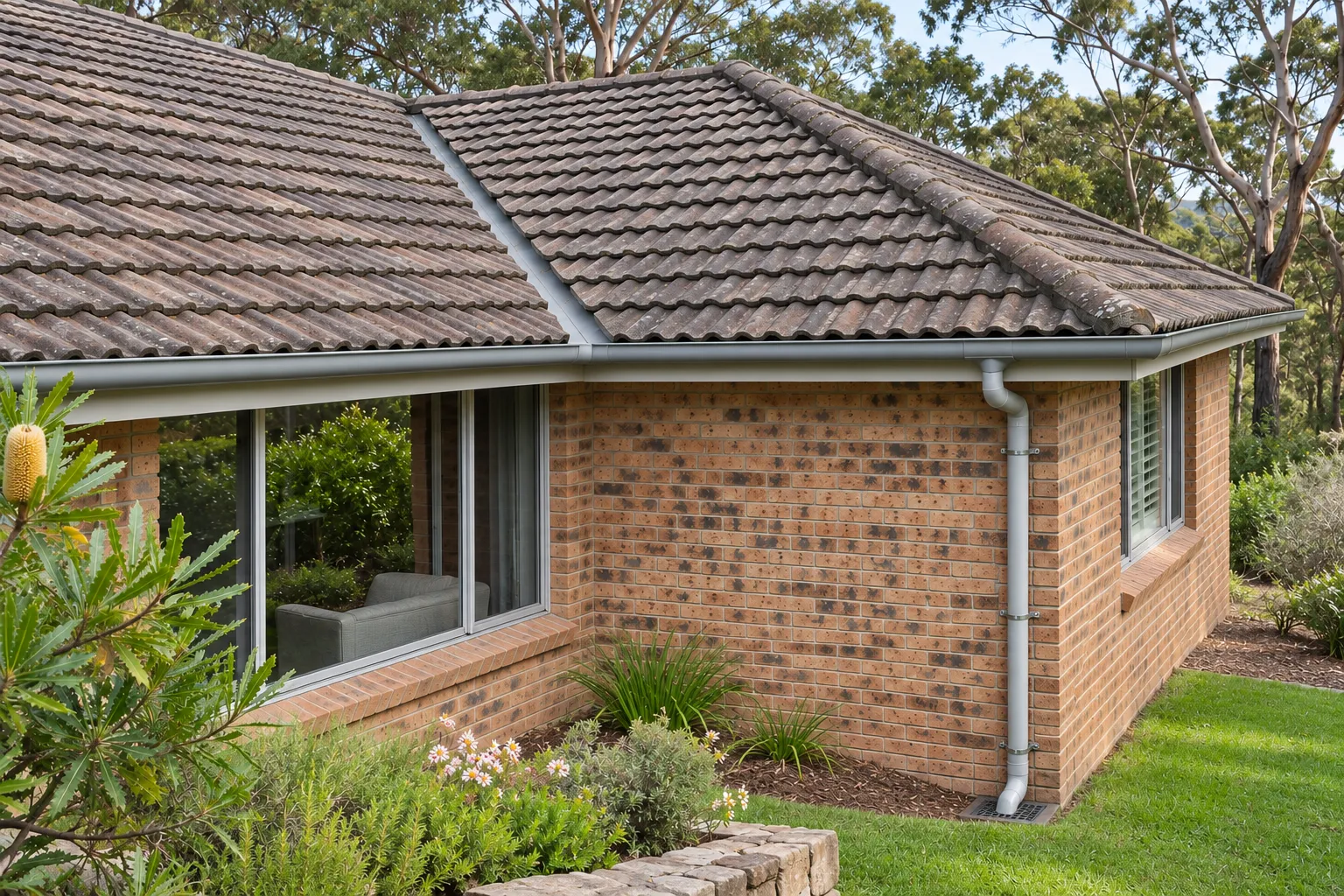
A gutter spilling over during heavy rain can make the next step seem obvious: replace it with something bigger. Yet extra space in the gutter will not necessarily help if water cannot enter it properly or leave through the outlets quickly enough. You could pay for a larger profile and still experience overflow in the same place.
For your Central Coast home, a suitable replacement starts with understanding the entire drainage path, from the roof catchment area to the downpipes. Central Coast Guttering can assess the factors that influence gutter performance before choosing a replacement. You will learn why roof shape concentrates runoff, how to distinguish a gutter sizing issue from an outlet restriction and what a replacement proposal should explain. These details help you compare local suppliers based on the suitability of their solutions rather than gutter dimensions alone.
Roof Shape Determines Where Water Concentrates
Two homes with the same length of gutter can place very different demands on it. The important question is how much roof drains into each section and how that water arrives.
Roof shape also determines whether runoff reaches the gutter relatively evenly or pours into a small area. A useful assessment considers individual drainage sections, not just the total roof size or the metres of gutter being replaced.
Catchment Area Matters More Than Gutter Length Alone
The roof catchment area is the portion of the roof that sends rainwater towards a particular gutter section. A short gutter receiving runoff from a large roof plane may face more demand than a longer gutter serving a narrow strip of roof. Length alone therefore tells you little about the capacity required.
Rainfall intensity matters alongside catchment area. A system needs to accommodate water arriving rapidly during a downpour, not just the total rain falling over an afternoon. The person assessing your gutters should use appropriate design rainfall information for your location rather than relying on a profile that suits most homes.
Roof pitch and geometry also influence the assessment. Simply measuring the sloping roof surface does not establish the design flow by itself. A professional needs to identify which areas contribute to each gutter and account for the roof configuration using the applicable design method.
The roof edge matters too. Its position relative to the gutter affects how runoff enters. Where metal roofing materials meet the gutter, the assessment should consider the roof profile and edge arrangement alongside the proposed gutter position. Increasing gutter volume will not necessarily correct a problem caused by water entering at an unsuitable point.
Valleys Can Send Concentrated Flow Into One Section
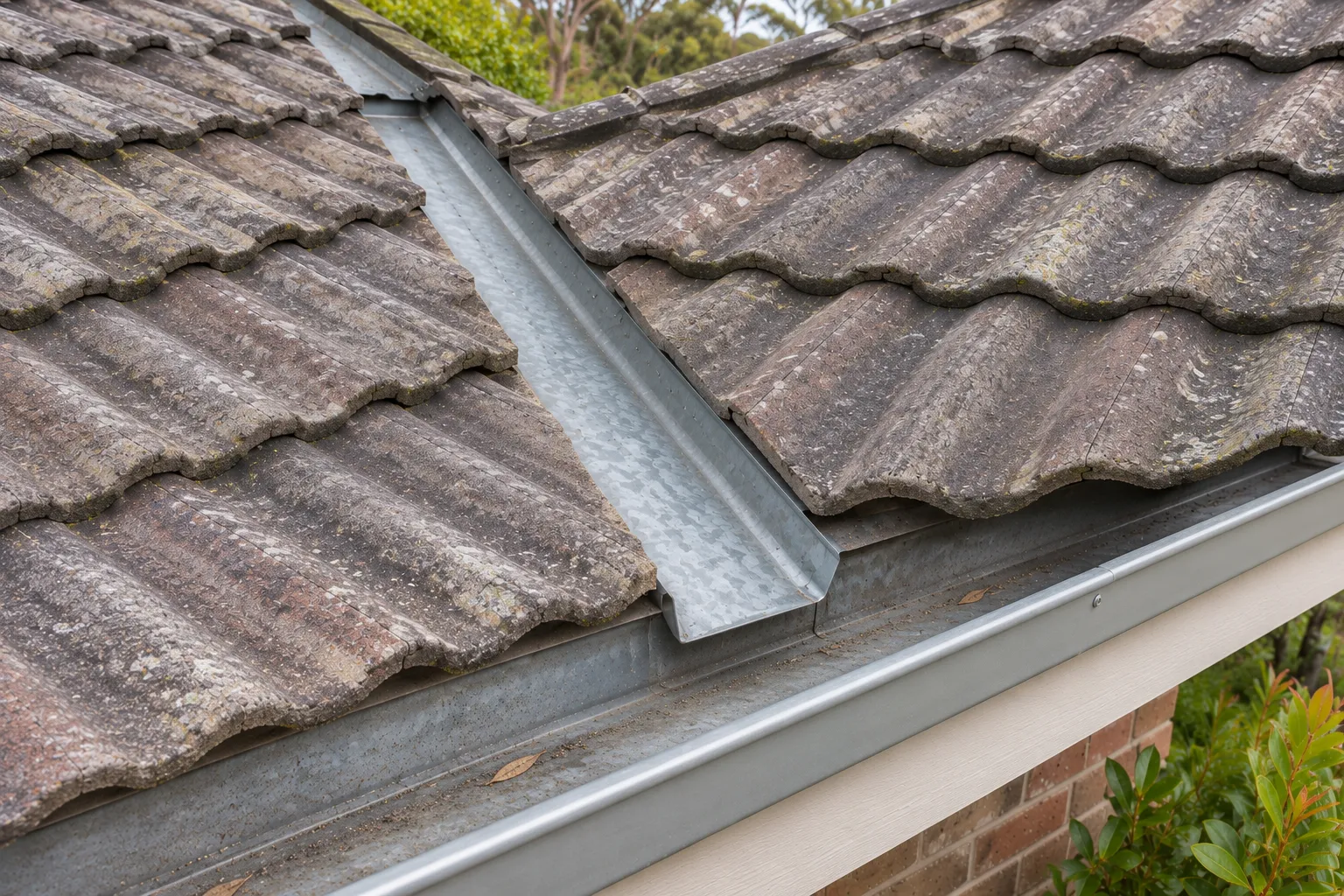
A valley collects water from adjoining roof planes and channels it towards a narrower discharge point. Instead of runoff arriving along several metres of gutter, a substantial flow can reach one small section at once.
That concentrated stream can create a local problem even when the rest of the gutter appears to cope. Depending on the roof arrangement, water may overshoot the gutter or arrive faster than it can move towards an outlet. A larger gutter might help in some circumstances, but its position and relationship to the valley discharge remain important.
When discussing an assessment, describe where you notice the overflow and whether it occurs beneath a valley. Photos or videos taken safely from ground level during rain can help show the pattern. You should not need to climb onto the roof to provide useful information. These observations can support a professional inspection but should not replace one.
How Do I Know Whether a Larger Gutter Will Help?
A larger gutter can help when the existing gutter genuinely lacks capacity for the runoff it receives. However, it is less useful when the main restriction involves an outlet, an unsuitable drainage path or how water enters from the roof.
The assessment must separate these possibilities before a replacement profile is selected. Where the water appears and how it behaves can provide useful clues, although neither establishes the cause on its own.
Water Entry and Water Exit Need Separate Assessment
Start by distinguishing between water missing the gutter and water building up inside it. Runoff that shoots past the outer edge presents a different problem from water that enters the gutter, rises and spills over. Both may look like gutter overflow from below, but they require different investigations.
For an entry problem, the assessor should examine the roof edge, gutter position and any concentrated discharge from valleys. For water accumulating inside the gutter, attention shifts towards the channel's capacity, its fall and the available outlets. More than one issue may be present.
You may notice several signs that help identify where further investigation is needed:
- Water spilling over the outer edge while the gutter appears relatively empty may indicate an entry or positioning issue.
- Water pooling or remaining in the gutter after rainfall may suggest inadequate fall, a blockage or a drainage restriction.
- Overflow occurring beneath a roof valley may indicate concentrated runoff entering a small section.
- Water rising around a downpipe during heavy rain may warrant checking the outlet for obstructions or insufficient discharge capacity.
These signs are not definitive diagnoses, as several problems can produce similar symptoms. However, they can help you explain the issue when arranging an inspection.
A larger profile provides additional space and may increase conveyance capacity under suitable conditions. However, extra storage is not the same as adequate discharge. If water arrives faster than it leaves for long enough, even a larger gutter can eventually fill and overflow.
When comparing options for gutter replacement in Central Coast, know which restriction the proposed replacement addresses. A recommendation should connect the observed problem to the roof catchment and drainage layout rather than assume that a deeper or wider profile is automatically sufficient.
Outlet Position and Downpipe Capacity Can Limit Performance
The outlet is the transition between the gutter and the downpipe. Its dimensions, shape and position affect how readily water can leave. A substantial downpipe beneath a restrictive outlet does not necessarily deliver the performance its size might suggest.
Position matters because water must travel through the gutter to reach that outlet. A long run draining towards one end behaves differently from a layout with appropriately positioned outlets serving separate sections. Concentrated valley flow may also reach a point that is poorly served by the existing outlet arrangement.
Downpipe capacity then needs to be assessed as part of the same system. The number and size of downpipes, their configuration and the receiving drainage connection can influence discharge. Fitting a larger gutter while retaining every downstream component unchanged may leave the original restriction in place.
A Replacement Needs a Coordinated Drainage Design
A suitable replacement brings the roof runoff, gutter profile, fall and outlets into one plan. Each part needs to support the next rather than being selected independently.
For you as the homeowner, the practical test is whether the proposal explains how water will move through the system. A quote listing a larger gutter profile without addressing the drainage layout leaves important questions unanswered.
Gutter Profile and Fall Must Work With the Outlets
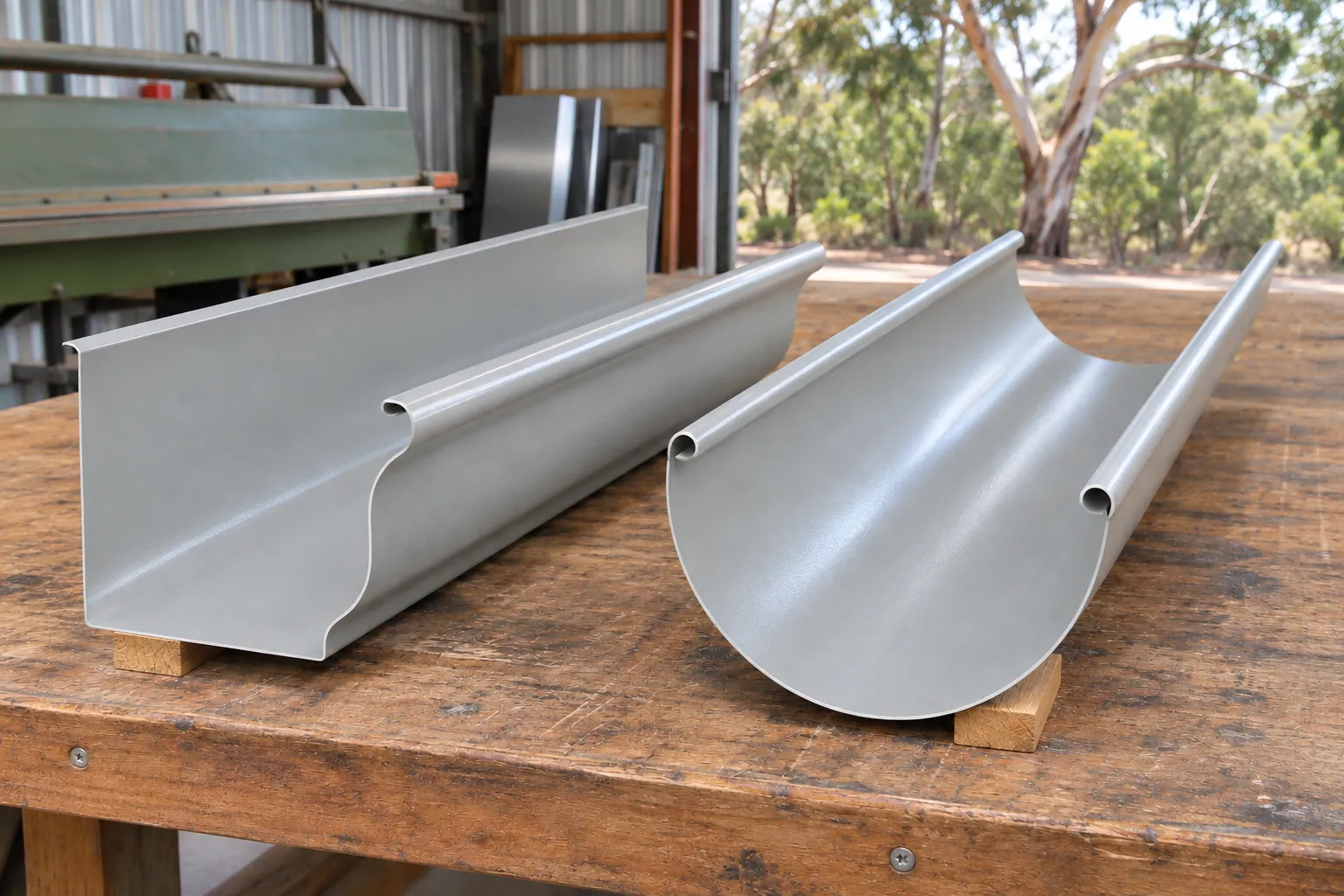
Gutter profiles differ in shape as well as dimensions. Their effective capacity depends on the installed arrangement, including fall and outlet provision. Comparing front-face height or overall width alone is not a reliable way to decide which profile suits your roof.
Fall helps direct water towards the intended outlets. If the gutter has insufficient or inconsistent fall, water may collect in low sections instead of draining away properly. The installer needs to assess the available levels and establish a workable arrangement for the particular run. It is not simply a matter of choosing the steepest possible fall, nor can a larger profile compensate for an unsuitable layout.
Outlet locations should be considered while that layout is being developed. Retaining an existing downpipe position may be practical, but it should not be treated as untouchable if it prevents the proposed system from working properly. Where changes are recommended, the supplier should explain how they relate to the catchment being served.
If gutter work is being planned alongside a roof replacement, the roof edge and gutter arrangement should be considered together. Changes to the roof detailing may affect how runoff enters the gutter. Coordinating those decisions helps avoid selecting gutters around an arrangement that is about to change.
A useful written scope identifies the proposed profile, the sections being replaced and the outlet and downpipe work included. It should also distinguish confirmed work from anything that requires further assessment. That makes competing quotes easier to compare on a like-for-like basis.
NSW Government guidance on getting quotes for contractors recommends giving each contractor the same job brief and obtaining written quotes that detail the work and materials included.
Overflow Provisions Need to Be Considered Too
A drainage design must also consider where water can escape if the gutter's operating capacity is exceeded. Overflow provisions are not a substitute for suitable gutter sizing or adequate outlets. They address a separate question: what happens when water rises beyond its intended operating level?
The arrangement depends on the gutter system and its installation. A professional should assess how any overflow provision works with the roof edge and adjacent building elements, with the aim of directing escaping water away from vulnerable areas.
This matters because poorly directed overflow can allow water to reach fascia boards, external walls or roof spaces. Repeated exposure may contribute to moisture damage, timber deterioration and problems inside the building. A visible slot or opening alone does not establish that the entire arrangement is suitable.
The National Emergency Management Agency explains how overflowing gutters can allow rainwater to enter ceilings, potentially causing damage to internal building materials.
Ask the supplier what overflow provisions are included, where excess water is intended to discharge and how the installation will meet applicable requirements. The written scope should also make clear who is responsible for any related drainage alterations.
Choose a Replacement That Addresses the Actual Problem
Choosing a larger gutter is not always the answer to recurring overflow. The roof catchment, valley discharge, gutter position, fall, outlets and downpipes all influence how effectively rainwater moves away from your home.
Before approving a replacement, ensure the proposed work addresses the cause of the problem rather than simply changing the gutter dimensions. Central Coast Guttering will help with your existing arrangement and identify a suitable replacement based on your property's drainage requirements. A properly considered solution gives your guttering system a better chance of handling heavy rainfall while helping protect your roofline and home from avoidable water damage.